Paridae
African Blue Tit
Cyanistes teneriffae
- Scientific name
- Cyanistes teneriffae
- Family
- Paridae
- In Sweden
- Does not occur
- Size
- 11 to 12 cm
- Global Red List (IUCN)
- Least concern (LC)
Found only in the Canary Islands, a blue tit that forgot winter.
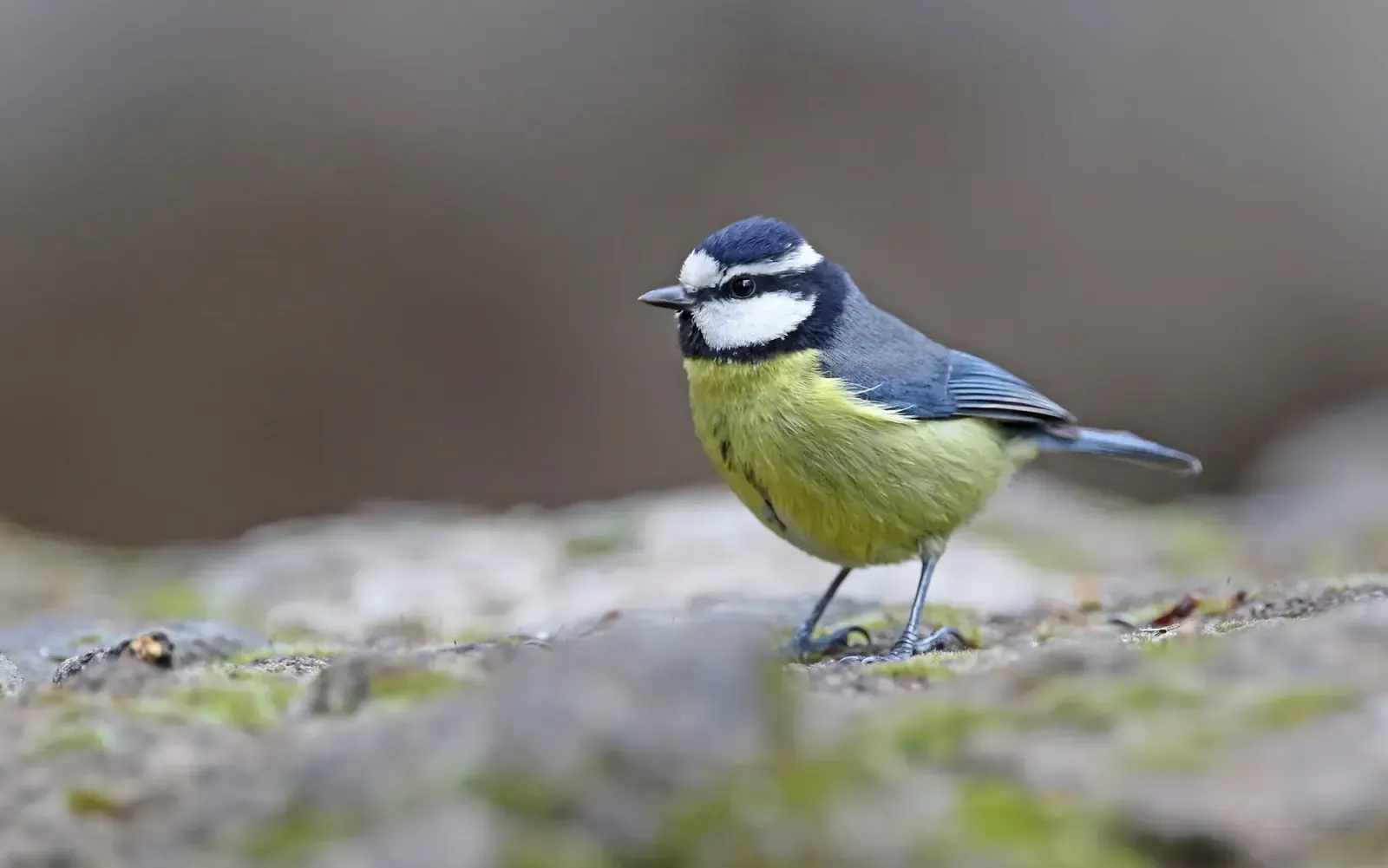
The African Blue Tit is a small, compact tit with a pointed bill. It is resident in North Africa from Morocco to Libya and on the Canary Islands.
How to recognise it
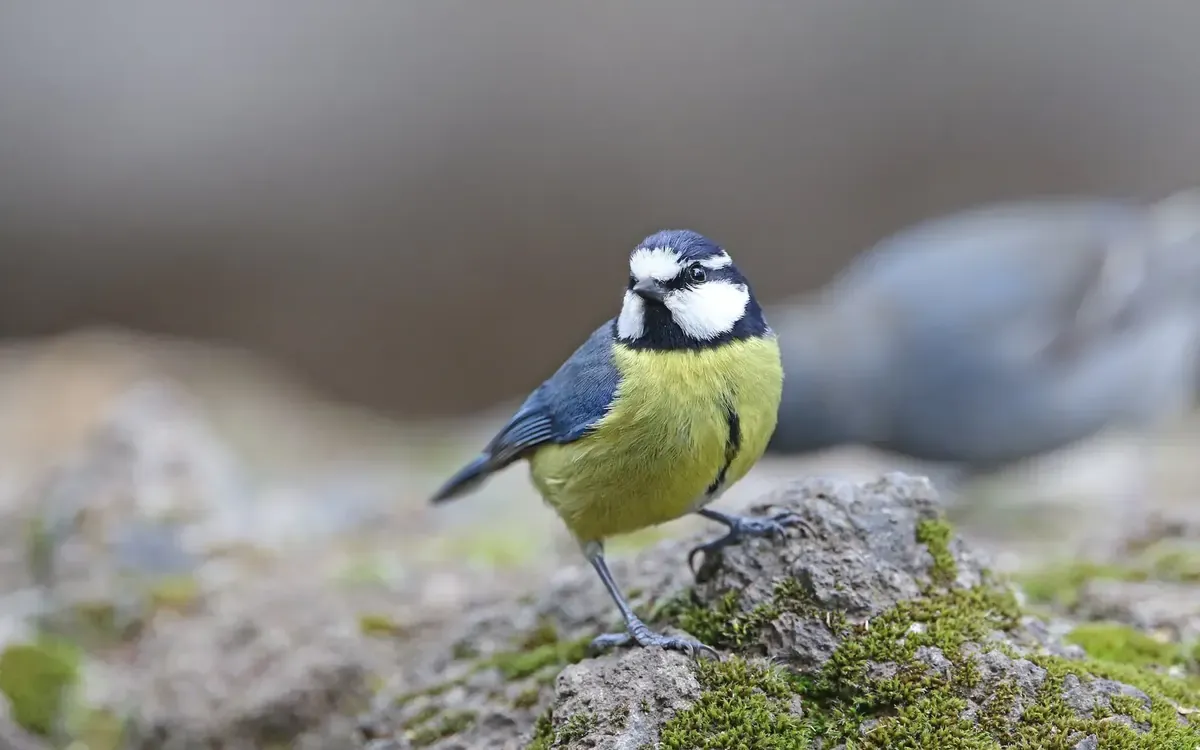
- Blackish-blue crown framed by white forehead and eyebrow, grey-blue back without green
- White cheeks bordered by black chin, black collar and blackish eye-stripe
- Dark yellow underparts with a black lengthwise stripe on the belly
- Sexes alike, young birds have a yellow eyebrow and nape and usually lack the belly stripe
Call and song
The song is a varied repetition of one or two notes. Some calls recall those of the Great Tit, others those of the Crested Tit.
Where and when
The African Blue Tit does not occur in Sweden and has no reports in Artportalen 2016 to 2025. It lives in various woodland, from laurel forest and tree heath to mountain pine forest, and in parks and gardens, especially with fruit trees. On Fuerteventura and Lanzarote it breeds mostly in low scrub woodland with Tamarix and Phoenix. Breeding is from February to July, possibly also October to January.
Food and behaviour
It is seen alone, in pairs or in small groups and is often easy to approach. It forages at all levels in trees and bushes and sometimes hangs upside down from branches, cones and leaves. Its food is aphids, small moths and beetles and their larvae, including many different caterpillars.
Easily confused with
-
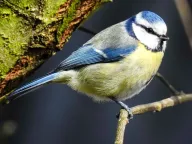
The African Blue Tit resembles the Blue Tit in shape and plumage but is slightly smaller and darker. Birds on the Canary Islands lack the white wing bar that Blue Tits have.
Found only in the Canary Islands, a blue tit that forgot winter.
More in the Paridae family
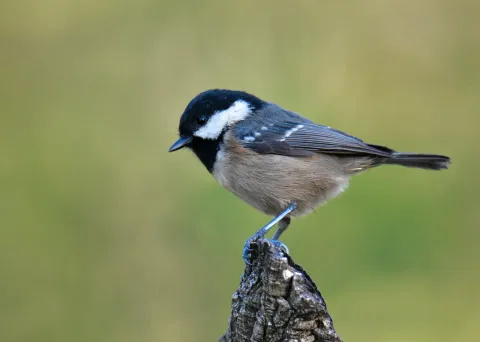
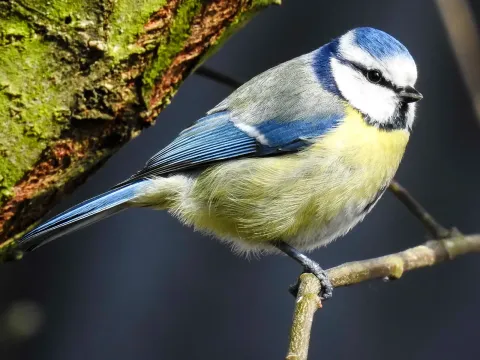
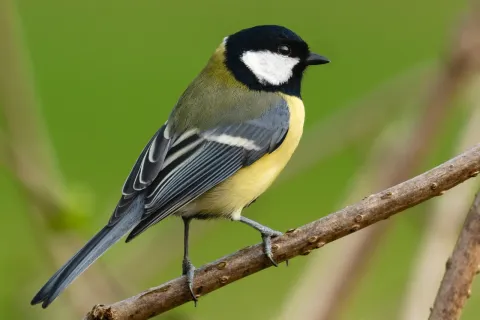
Photo: Christoph Moning, CC BY 4.0, via Wikimedia Commons, resized

Photo: Christoph Moning, CC BY 4.0, via Wikimedia Commons, resized

The text was written with AI from facts in Wikipedia and may be shared under CC BY-SA 4.0. Sources: Swedish article, English article, German article
Report data: Artportalen (SLU Swedish Species Information Centre) via GBIF.org, 2016 to 2025.
Checked against sources on . How we make these pages