Paridae
Caspian Tit
Poecile hyrcanus
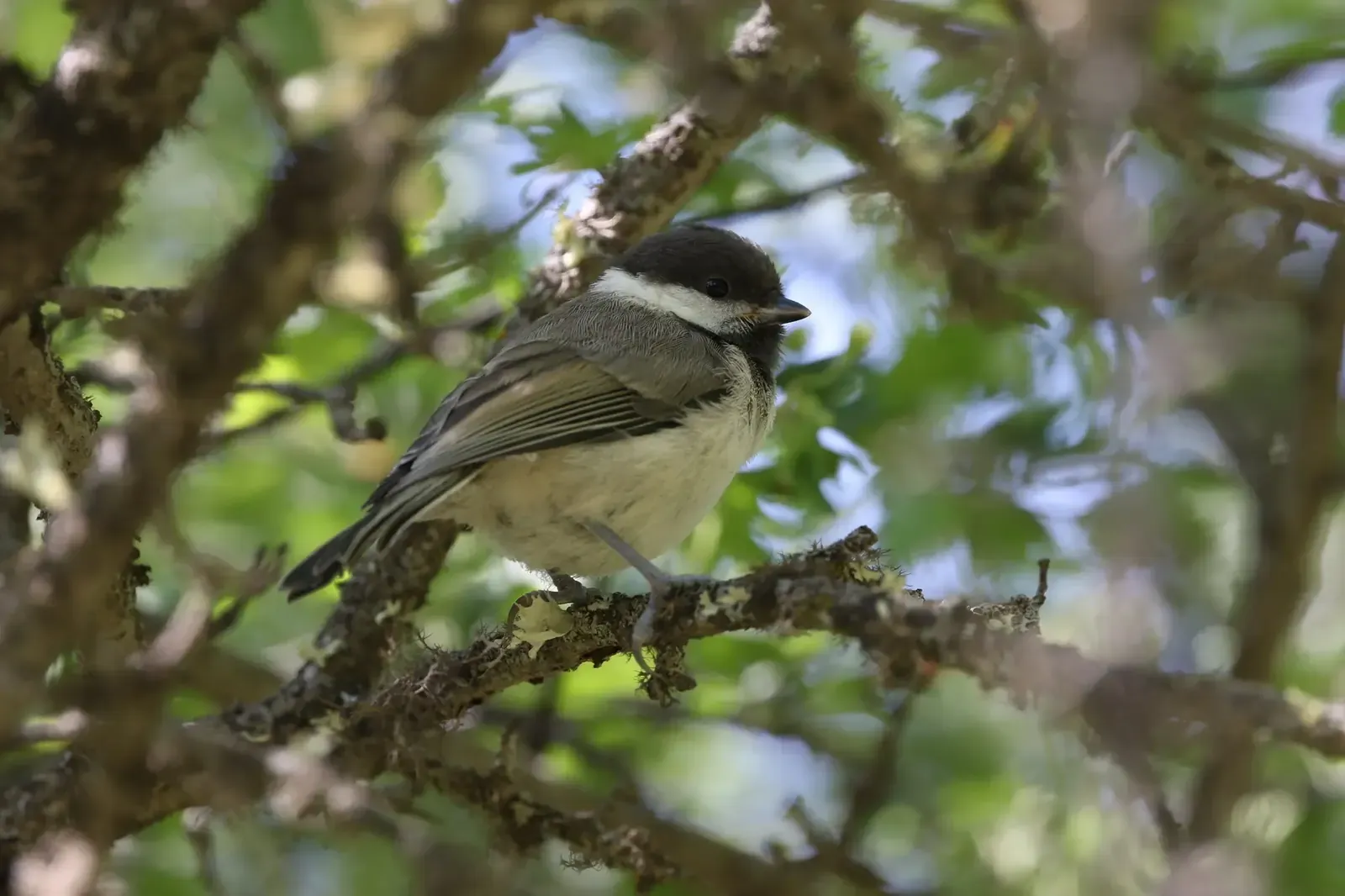
- Scientific name
- Poecile hyrcanus
- Family
- Paridae
- In Sweden
- Does not occur
- Size
- About 12.5 to 14 cm
- Global Red List (IUCN)
- Least concern (LC)
The Caspian Tit is a tit found only in mountain broadleaf forests in northern Iran and neighbouring Azerbaijan. It lives at 400 to 2 000 metres and also uses planted gardens and parks.
How to recognise it
- Dark brown cap and bib contrasting with white cheeks and ear coverts
- Brown upperparts and underparts, pinkish beige when fresh, paler and greyer when worn
- Strong grey bill and short legs, grey to dark grey
- Sexes alike, young birds show a dull sooty black cap and greyer upperparts
Call and song
The Caspian Tit is fairly quiet but gives a thin "zsit" or a nasal "chev chev". When alarmed it repeats an abrupt, nasal "chev-chev". The song is a clear "tiu-tiu-tiu-tiu-tiu" or a "ziuw-ziuw-ziuw-su".
Where and when
The Caspian Tit does not occur in Sweden and has not been reported in Artportalen from 2016 to 2025. It is found only in northern Iran and neighbouring Azerbaijan.
Food and behaviour
It eats caterpillars, other insects and seeds, and searches trees for larvae and aphids. Both sexes excavate the nest, usually in a rotten stump or a rotten tree. Most nests are lined with fur, hair and wood chips, sometimes feathers, and the female lays five to seven white eggs with faint red spots.
Easily confused with
-
The Sombre Tit is very similar but has a black cap reaching less far down the mantle, a more sharply defined bib and a longer tail. The Caspian Tit is slightly smaller.
-
The Willow Tit looks similar but does not occur in the Caspian Tit's habitat.
More in the Paridae family
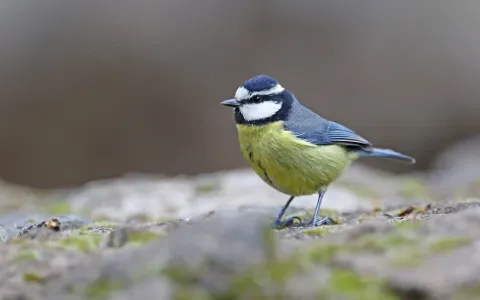
Photo: James Eaton, CC0, via Wikimedia Commons, resized

The text was written with AI from facts in Wikipedia and may be shared under CC BY-SA 4.0. Sources: Swedish article, English article, German article
Report data: Artportalen (SLU Swedish Species Information Centre) via GBIF.org, 2016 to 2025.
Checked against sources on . How we make these pages