Paridae
Great Tit
Parus major
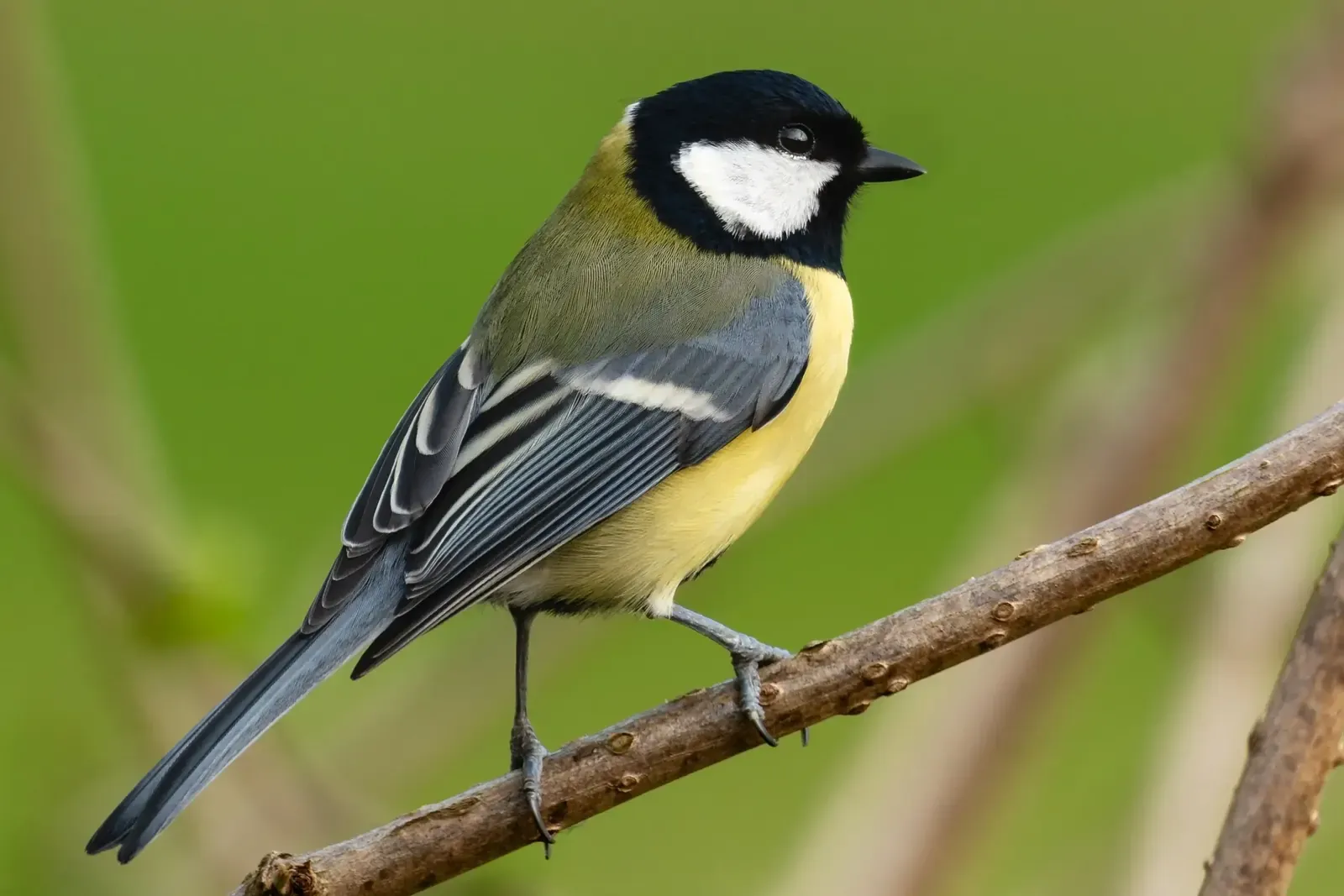
- Scientific name
- Parus major
- Family
- Paridae
- Size
- 12.5 to 14.0 cm
- Swedish Red List 2025
- Not red-listed
- Global Red List (IUCN)
- Least concern (LC)
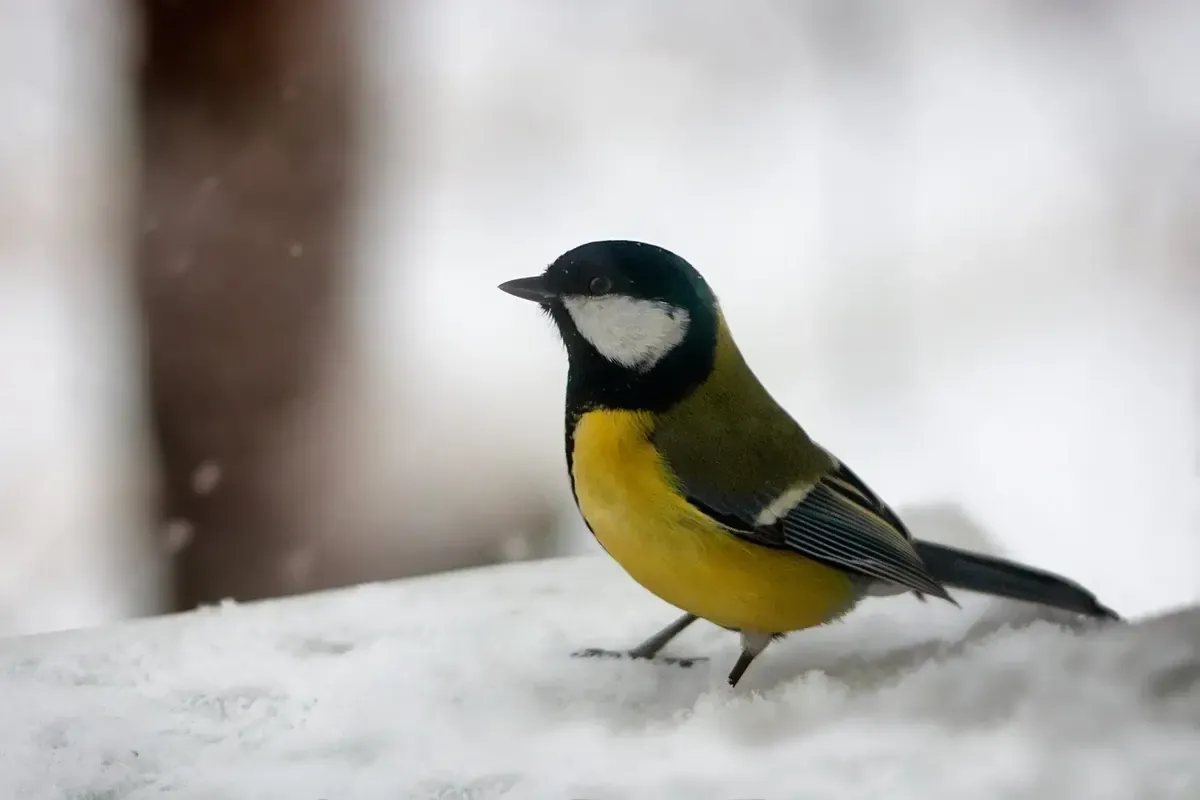
The great tit forages among pine needles deep in winter.
The Great Tit is a large tit found throughout Sweden and one of the commonest tits in central and southern Sweden. It is a common bird in city parks and gardens.
How to recognise it
- Black head and neck with bold white cheeks, olive-green upperparts and yellow underparts
- Lemon-yellow breast with a black stripe running down the middle from the bib
- Green wing coverts, otherwise blue-grey wings with a white bar; blue-grey tail with white outer edges
- The female is paler, with a less intense black bib and narrower, sometimes broken belly stripe
Call and song
A well-known call is a "tí-ta, tí-ta", often likened to a squeaky wheelbarrow wheel and used to claim a territory. A chaffinch-like "ping, ping" is also often heard. Soft single notes such as "pit", "spick" or "tjitt" serve as contact calls. At enemies on the ground it gives a harsh rattling "trrrr" or a repeated "dädädä".
Where and when
The Great Tit occurs throughout Sweden and is reported from all 21 counties. It lives in open deciduous woodland, mixed forest and woodland edges, and in dense forest it usually keeps to clearings. It is reported most in November to February. In Fennoscandia most eggs are laid between late April and mid May.
When is it seen in Sweden?
Where is it reported?
- No reports
- Small share
- Medium share
- Large share
Reported most in November to February. Reported from all 21 counties.
Food and behaviour
In summer it mainly eats insects and spiders picked from leaves, and in autumn and winter it also takes berries and seeds. At bird tables it readily takes peanuts, sunflower seeds and food scraps. In winter it forages in mixed flocks with other tits. It holds large seeds with its foot and pecks at them with its bill. It nests in holes and readily uses nest boxes.
Easily confused with
The great tit forages among pine needles deep in winter.
More in the Paridae family
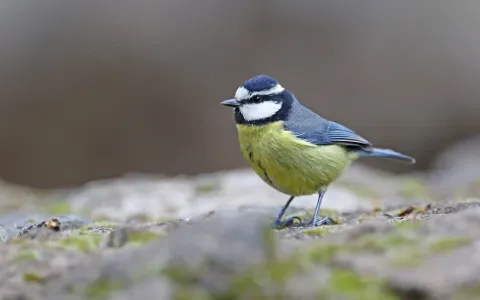
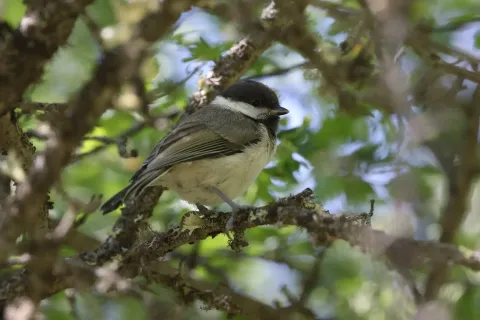
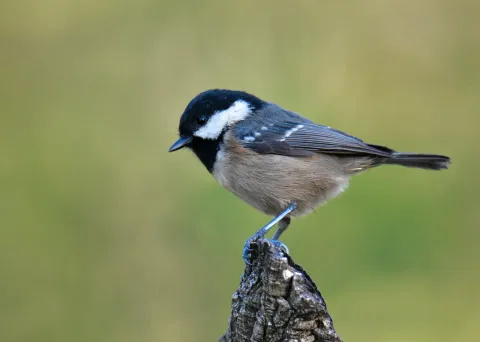
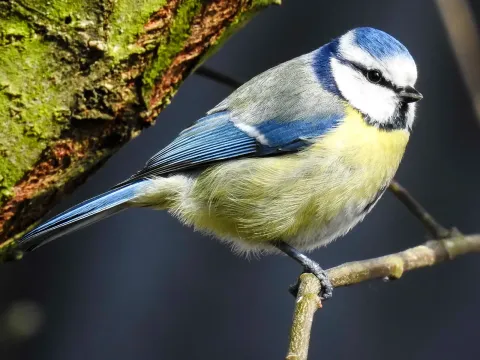
Photo: Hobbyfotowiki, CC0, via Wikimedia Commons, resized

Photo: Anton Whoa, CC BY 2.0, via Wikimedia Commons, resized

The text was written with AI from facts in Wikipedia and may be shared under CC BY-SA 4.0. Sources: Swedish article, English article, German article
Report data: Artportalen (SLU Swedish Species Information Centre) via GBIF.org, 2016 to 2025. Red list: The Swedish Red List 2025, SLU Swedish Species Information Centre via GBIF.org.
Checked against sources on . How we make these pages