Regulidae
Goldcrest
Regulus regulus
- Scientific name
- Regulus regulus
- Family
- Regulidae
- In Sweden
- Partial migrant, breeds here
- Size
- 8.5 to 9.5 cm
- Swedish Red List 2025
- Not red-listed
- Global Red List (IUCN)
- Least concern (LC)
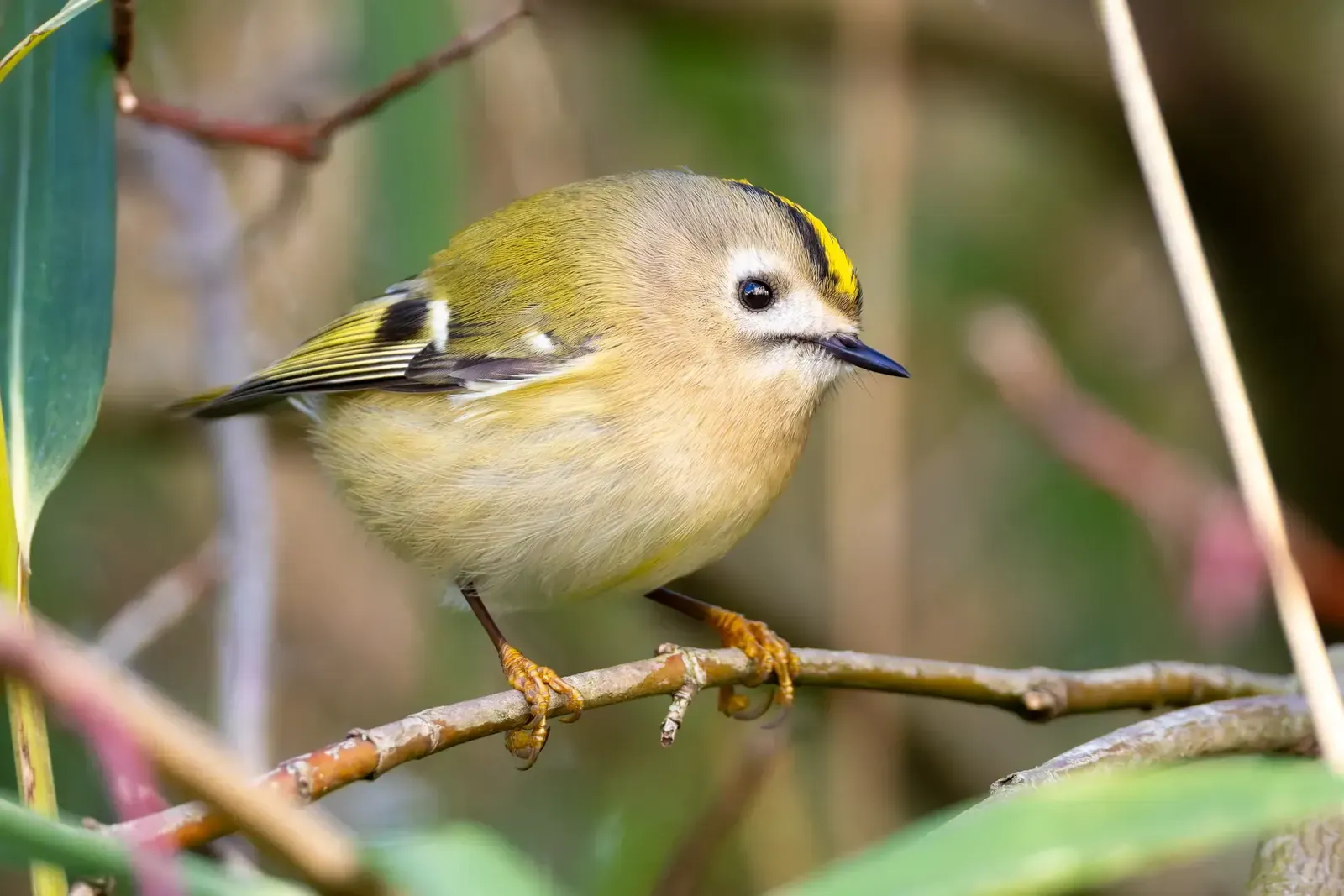
The Goldcrest is Europe's smallest bird and breeds in dense conifer forest, both in lowlands and in mountain forests. In Sweden it breeds commonly across large parts of the country.
How to recognise it
- Olive-green upperparts, whitish underparts and two wing bars
- Grey face in which the black eye stands out
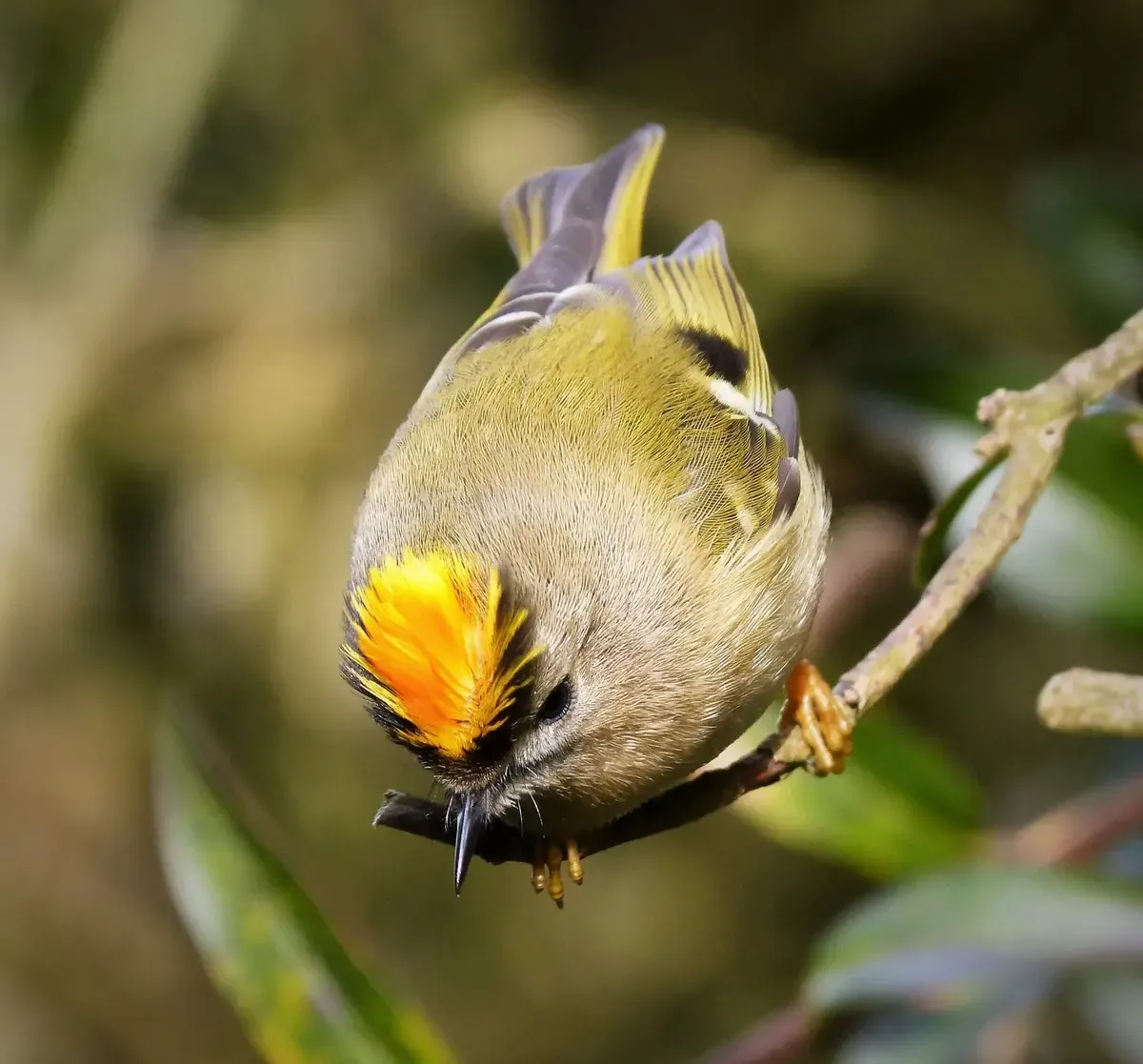
- Bright black-edged crown stripe: yellow with orange centre in males, all yellow in females
- Small, thin black bill and restless movement among branches and trunks
Call and song
The male's song is a very high, thin double note "cedar", repeated five to seven times with a twirling ending. The contact call is a thin, very high "zee", repeated every one to four seconds. It sings in every month, often while feeding. Many people cannot hear these sounds at all, or only at very close range.
Where and when
The Goldcrest is a partial migrant that breeds commonly across large parts of Sweden, more sparsely in the far north, and is almost absent from northwestern Lapland. Many move to central Europe in autumn, and migrants return in April, in the far south as early as late March. It is reported from all 21 counties and most often in October.
When is it seen in Sweden?
Where is it reported?
- No reports
- Small share
- Medium share
- Large share
Reported most in October. Reported from all 21 counties.
Food and behaviour
It feeds mainly on small soft-bodied arthropods such as springtails, aphids and spiders. It often picks food from the undersides of branches and leaves while almost hovering in the air. In winter it often joins mixed flocks of tits and warblers. Exhausted migrating Goldcrests can be very tame and land close to people while looking for food.
Easily confused with
-
Regulus ignicapilla
The Firecrest has a clear white eyebrow stripe and a black lore, while the Goldcrest has a plain grey face.
More songbirds
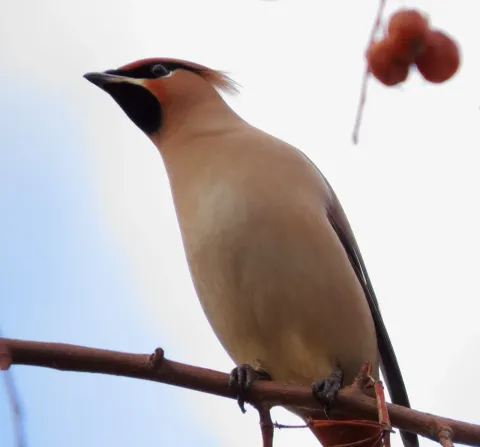
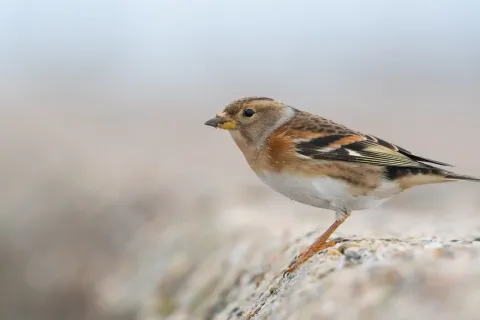
Photo: Alexis Lours, CC BY 4.0, via Wikimedia Commons, resized

Photo: gailhampshire, CC BY 2.0, via Wikimedia Commons, resized

The text was written with AI from facts in Wikipedia and may be shared under CC BY-SA 4.0. Sources: Swedish article, English article, German article
Report data: Artportalen (SLU Swedish Species Information Centre) via GBIF.org, 2016 to 2025. Red list: The Swedish Red List 2025, SLU Swedish Species Information Centre via GBIF.org.
Checked against sources on . How we make these pages