Laridae
Black-headed Gull
Chroicocephalus ridibundus
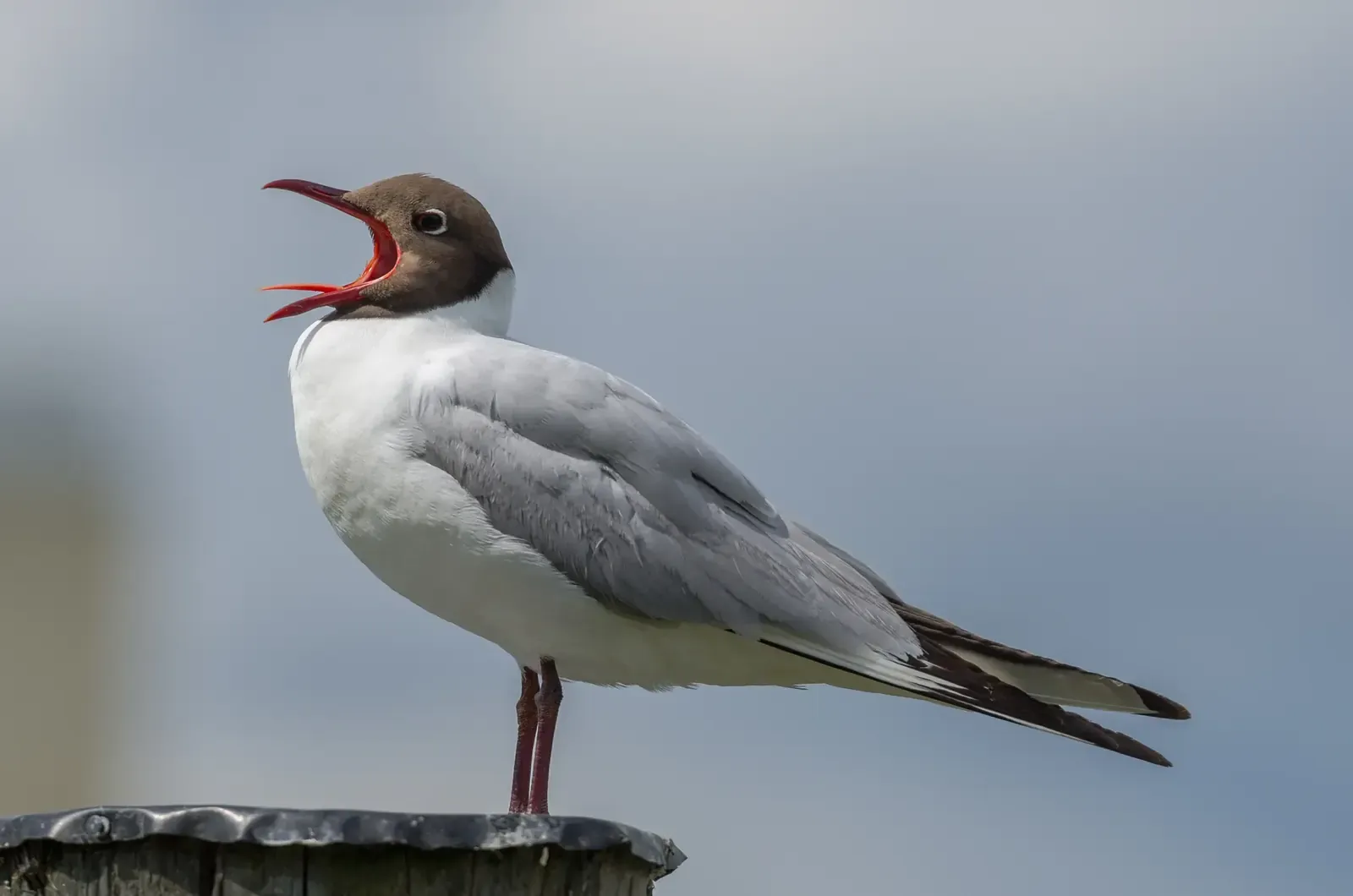
- Scientific name
- Chroicocephalus ridibundus
- Family
- Laridae
- In Sweden
- Partial migrant, breeds here
- Size
- 35 to 39 cm
- Swedish Red List 2025
- Near threatened (NT)
- Global Red List (IUCN)
- Least concern (LC)
The Black-headed Gull is a gull that breeds in colonies on lakes, marshes and along the coast. In winter it moves to short lawns, fields, rubbish tips, sewage works, harbours and town waters.
How to recognise it
- Sexes alike, in summer with a chocolate-brown head that looks black at a distance
- Red bill and red legs in summer plumage
- White leading edge to the upper wing, a good mark in flight
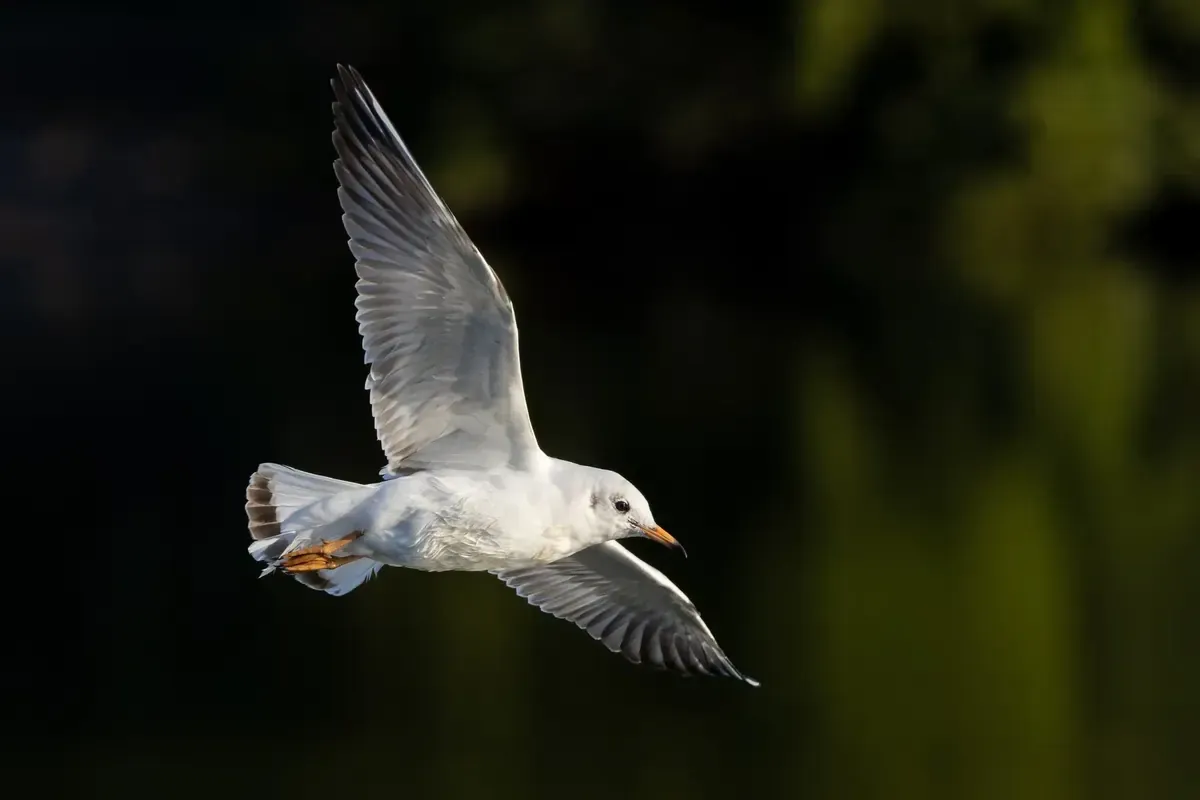
- In winter just a smudgy dark band above the eye and a black spot behind it
Call and song
The Black-headed Gull is noisy, especially in breeding colonies, with a harsh "krii-arr" call. Outside the breeding season, a sharp, piercing "kriiiärr" and a short, sharp "kik" are often heard at feeding sites.
Where and when
The Black-headed Gull is a partial migrant that breeds in Sweden. It occurs across large parts of the country, but more thinly in the Norrland interior and not in the mountains. It is reported all year round and from all 21 counties. On the 2025 Swedish Red List it is Near Threatened (NT), and in Skåne numbers have fallen by 85 percent since the mid 1970s.
When is it seen in Sweden?
Where is it reported?
- No reports
- Small share
- Medium share
- Large share
Reported all year round. Reported from all 21 counties.
Food and behaviour
It eats insects, fish, seeds, worms, food scraps and carrion in towns, and invertebrates on ploughed fields. In summer flocks often gather around tractors ploughing the fields. It can defend its nest very aggressively. Soon after the young have fledged, it migrates southwest. In winter it is very sociable, both when feeding and at shared evening roosts.
More in the Laridae family
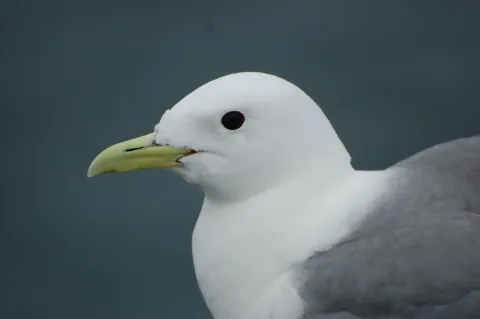
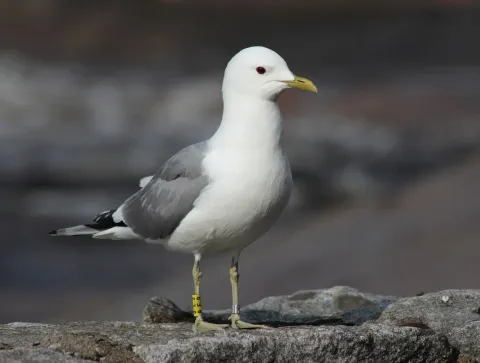
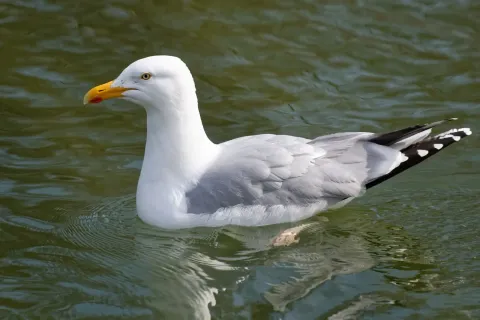
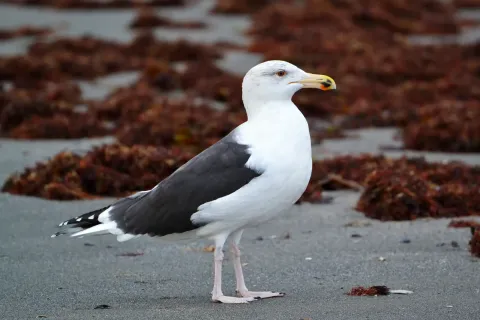
Photo: ArildV, CC BY-SA 3.0, via Wikimedia Commons, resized

Photo: Alexis Lours, CC BY 4.0, via Wikimedia Commons, resized

The text was written with AI from facts in Wikipedia and may be shared under CC BY-SA 4.0. Sources: Swedish article, English article, German article
Report data: Artportalen (SLU Swedish Species Information Centre) via GBIF.org, 2016 to 2025. Red list: The Swedish Red List 2025, SLU Swedish Species Information Centre via GBIF.org.
Checked against sources on . How we make these pages