Paridae
Willow Tit
Poecile montanus
- Scientific name
- Poecile montanus
- Family
- Paridae
- Size
- 11 to 14 cm
- Swedish Red List 2025
- Near threatened (NT)
- Global Red List (IUCN)
- Least concern (LC)
The Willow Tit is a tit of mixed and coniferous forest, preferring damp areas with rotting trees. In Sweden it occurs commonly across almost the whole country.
How to recognise it
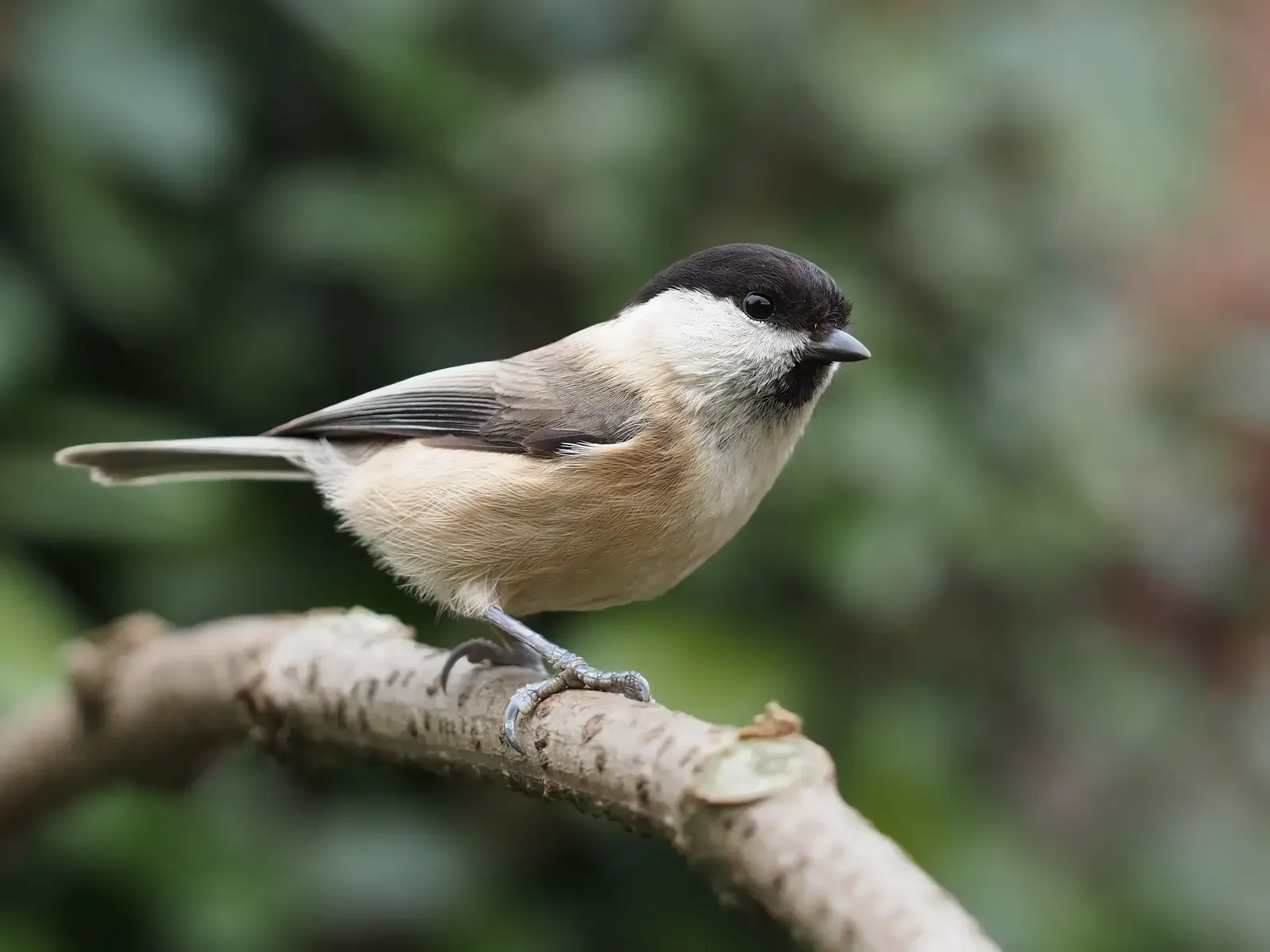
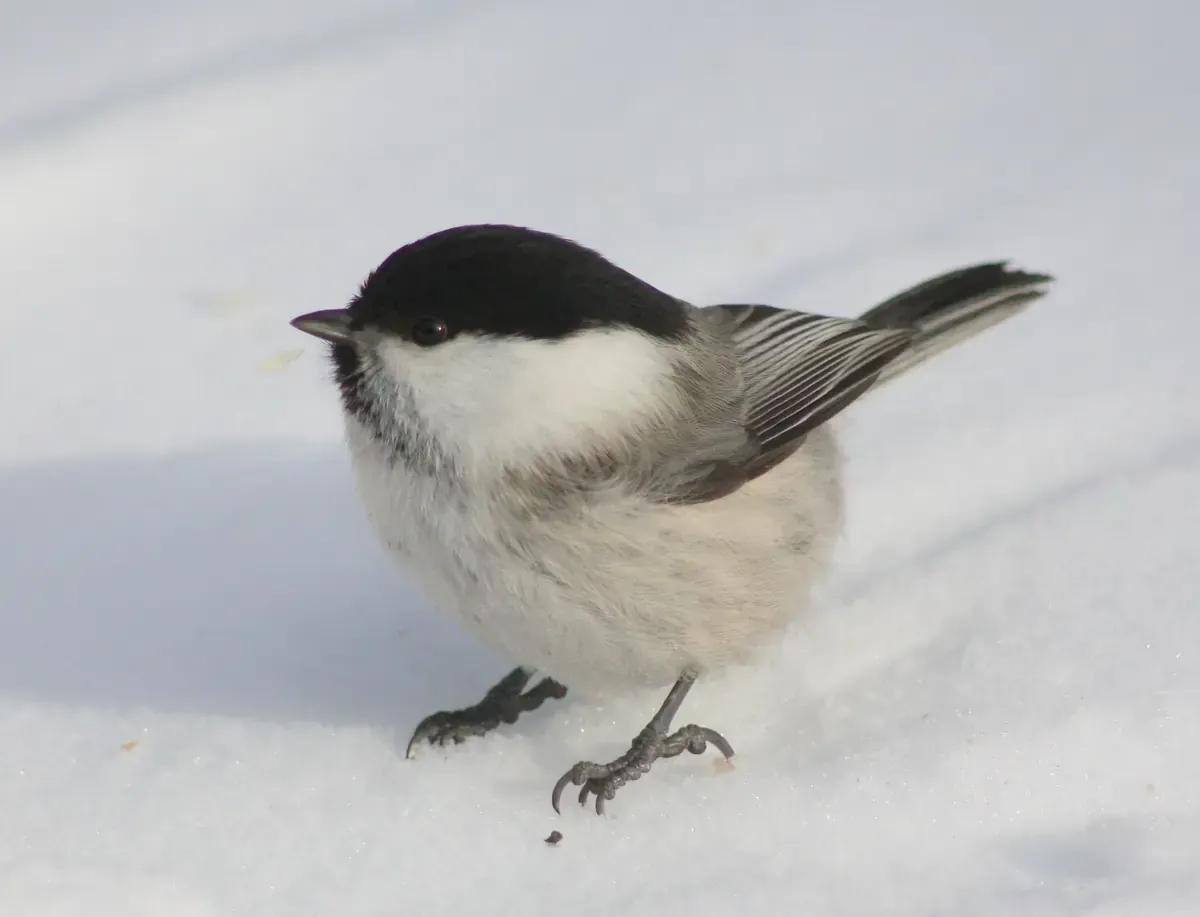
- Matt black cap and bib, grey-brown back and whitish belly
- Pure white cheeks reaching all the way back to the nape
- Thick neck, often described as a bull neck, and short, stubby black bill
- Pale wing panel on the folded wing, and the sexes look alike
Call and song
The most common call is a nasal "zee, zee, zee", and the alarm call is a drawn-out "tsitsidäää". The song is five to six falling whistled notes that sound melancholy, plaintive piping like "dju-dju-dju-dju-dju".
Where and when
The Willow Tit occurs commonly in almost all of Sweden, except on Gotland and in parts of Skåne. The population was estimated at 542 000 pairs in 2018, but it has declined markedly since the 1970s. It is reported most from November to February, and its share of all bird reports is highest in Norrbotten, Jämtland and Västerbotten.
When is it seen in Sweden?
Where is it reported?
- No reports
- Small share
- Medium share
- Large share
Reported most in November to February. Its share of all bird reports is highest in Norrbotten, Jämtland and Västerbotten.
Food and behaviour
The Willow Tit eats beetles, insects, spiders and their relatives, and seeds. In winter it lives largely on seeds it stored in autumn in bark crevices and under lichens. It keeps to its territory all year, often two pairs share one territory, and it visits bird tables. It often digs out its own nest hole, usually in a rotten stump or a decaying tree.
Easily confused with
More in the Paridae family
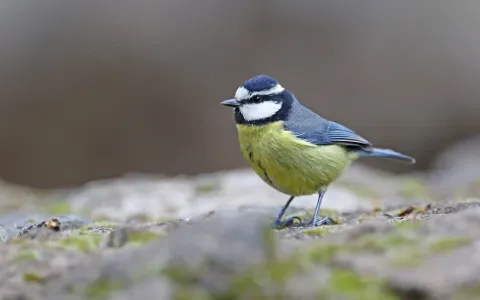
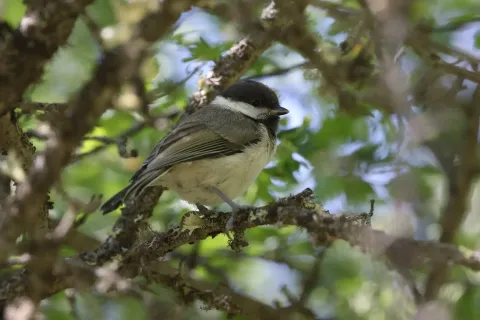
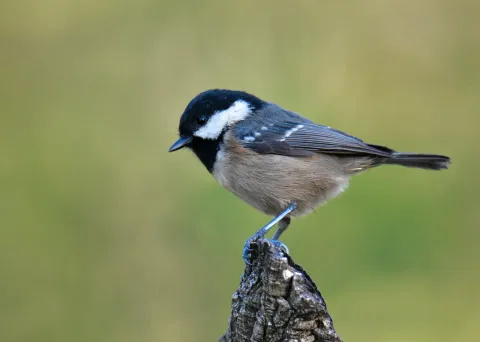
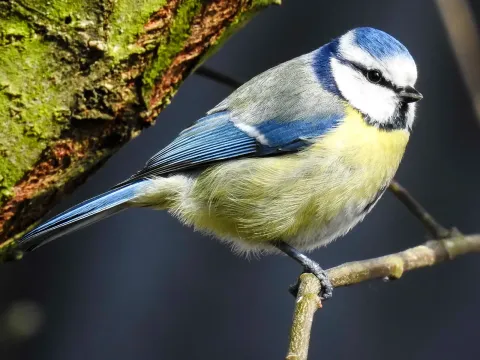
Photo: Francis C. Franklin, CC BY-SA 3.0, via Wikimedia Commons, resized

Photo: Estormiz, CC0, via Wikimedia Commons, resized

The text was written with AI from facts in Wikipedia and may be shared under CC BY-SA 4.0. Sources: Swedish article, English article, German article
Report data: Artportalen (SLU Swedish Species Information Centre) via GBIF.org, 2016 to 2025. Red list: The Swedish Red List 2025, SLU Swedish Species Information Centre via GBIF.org.
Checked against sources on . How we make these pages