Fringillidae
European Greenfinch
Chloris chloris
- Scientific name
- Chloris chloris
- Family
- Fringillidae
- In Sweden
- Partial migrant, breeds here
- Size
- 15 to 16.5 cm
- Swedish Red List 2025
- Vulnerable (VU)
- Global Red List (IUCN)
- Least concern (LC)
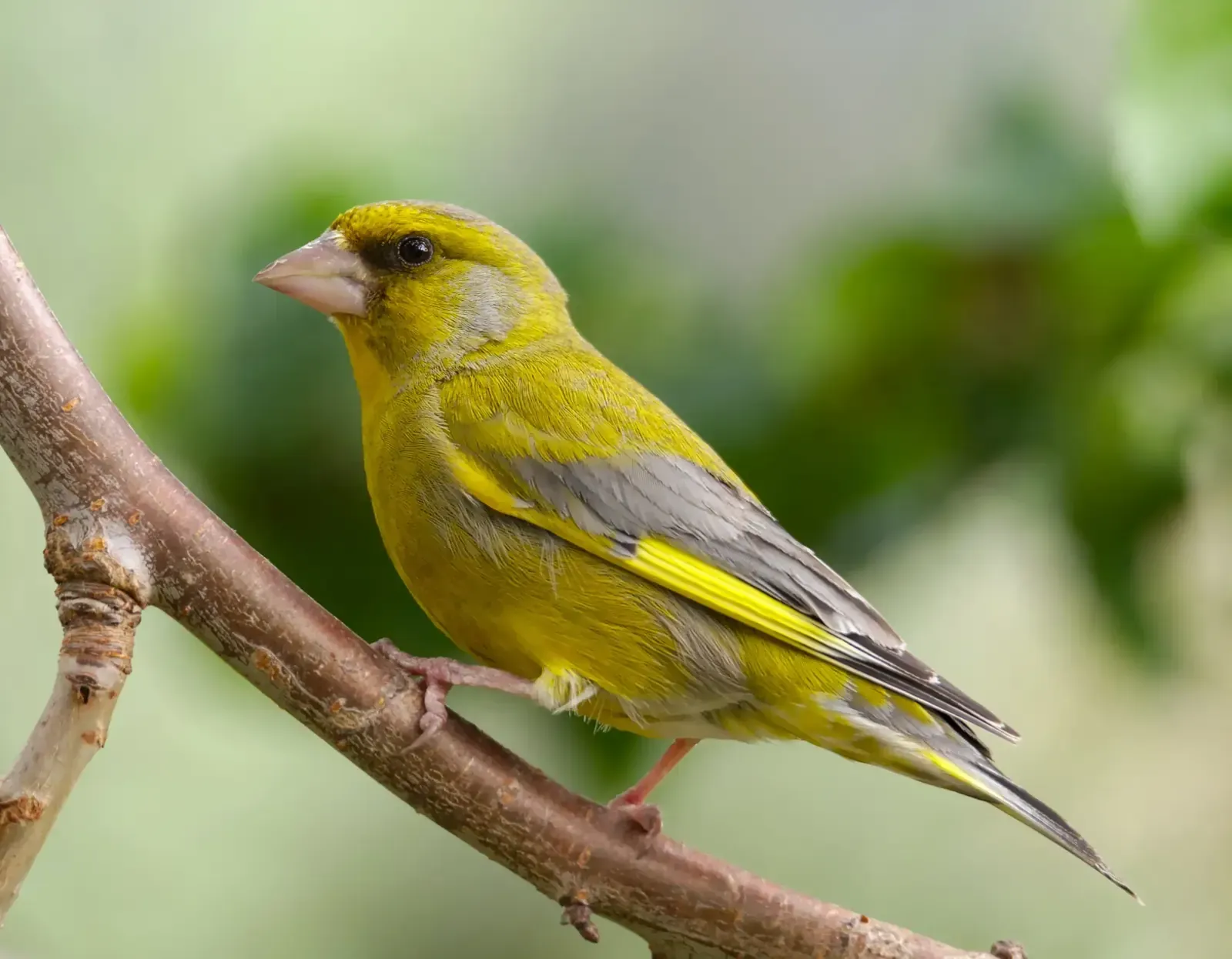
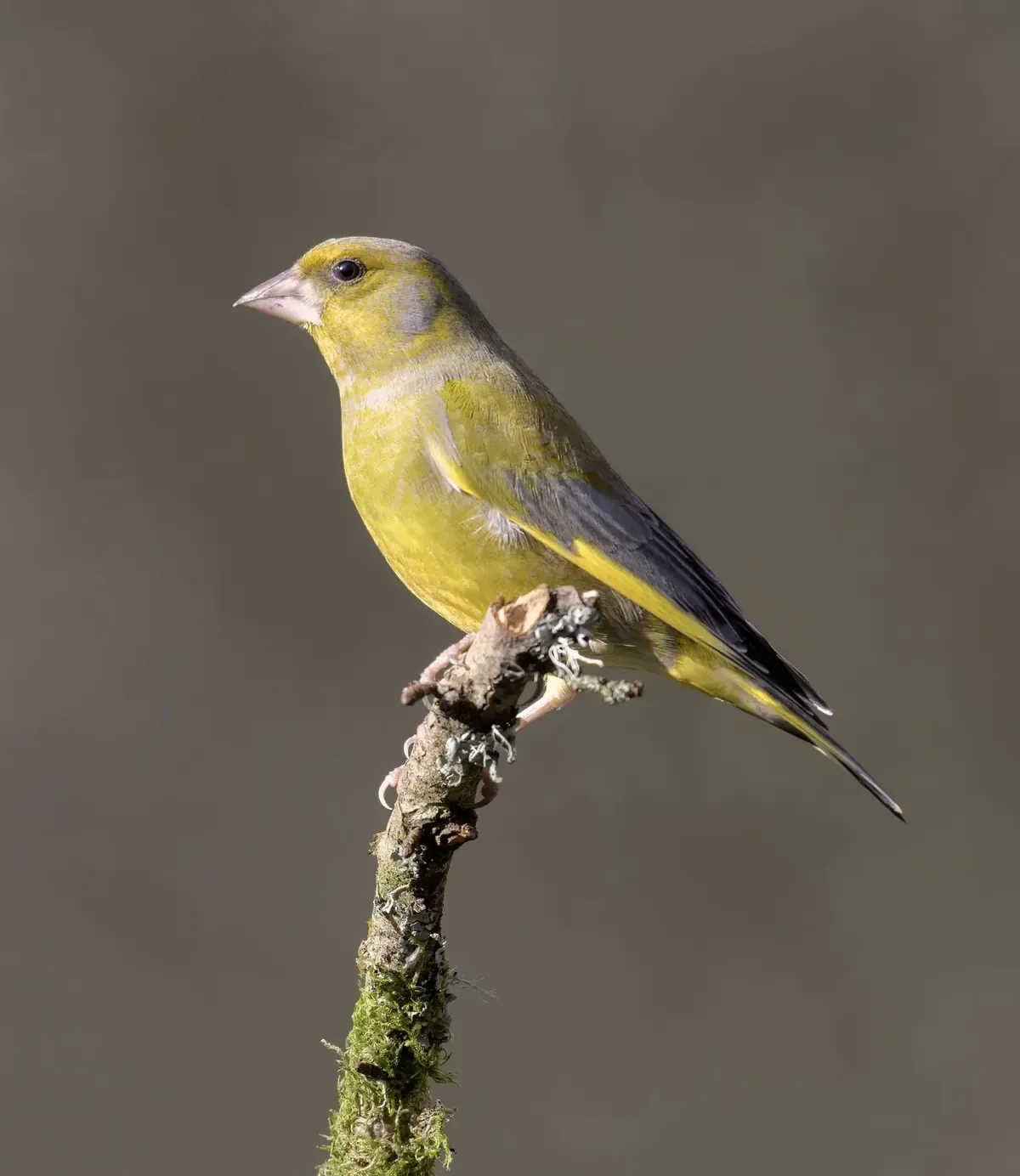
The European Greenfinch is a fairly compact finch with a heavy finch bill, mainly green with yellow in the wings and tail. Today it lives mainly in different kinds of human settlements.
How to recognise it
- Mainly green, yellow in wings and tail, clear yellow edge on the folded wing
- Heavy, pale horn-coloured finch bill on a fairly compact body
- Adult male is grey-green above with a yellow-green rump and blackish wing and tail feathers
- Female is duller and more grey-brown, with brown tones on the back and faint streaking
Call and song
The call is a short, strong "jypp", usually repeated in quick series. The song has lots of trills and twittering mixed with wheezing sounds. One creaking song sound is like winding up a wristwatch or pocket watch.
Where and when
The European Greenfinch is a partial migrant that breeds in Sweden, from Skåne to the Sundsvall area and Jämtland and on up the Norrland coast. The northernmost populations move south, but smaller numbers stay all year even in northern Sweden. In southern Sweden it winters as a wandering bird. It is reported from all 21 counties, most in December to February. Since 2025 it has been red-listed as Vulnerable (VU).
When is it seen in Sweden?
Where is it reported?
- No reports
- Small share
- Medium share
- Large share
Reported most in December to February. Reported from all 21 counties.
Food and behaviour
The European Greenfinch looks for food in trees and bushes and also on the ground. It eats mainly seeds, young buds and berries. Outside the breeding season it can form large flocks, sometimes with other finches and sparrows. The male performs a fluttering song flight like a butterfly's. The cup-shaped nest is placed in trees, bushes or hedges, often in spruces and junipers.
More in the Fringillidae family
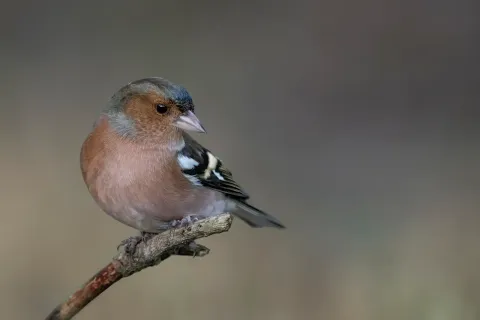
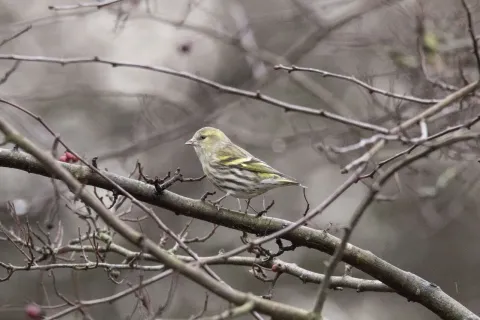
Photo: Martin Kunz, CC BY 4.0, via Wikimedia Commons, resized

Photo: caroline legg, CC BY 4.0, via Wikimedia Commons, resized

The text was written with AI from facts in Wikipedia and may be shared under CC BY-SA 4.0. Sources: Swedish article, English article, German article
Report data: Artportalen (SLU Swedish Species Information Centre) via GBIF.org, 2016 to 2025. Red list: The Swedish Red List 2025, SLU Swedish Species Information Centre via GBIF.org.
Checked against sources on . How we make these pages