Paridae
Marsh Tit
Poecile palustris
- Scientific name
- Poecile palustris
- Family
- Paridae
- In Sweden
- Resident all year
- Size
- 11.5 to 13 cm
- Swedish Red List 2025
- Near threatened (NT)
- Global Red List (IUCN)
- Least concern (LC)
The Marsh Tit is a small, compact tit that sits between Great Tit and Blue Tit in size. It is often seen in damp broadleaved woodland, by marshes, in waterside woods and in larger gardens with undergrowth.
How to recognise it
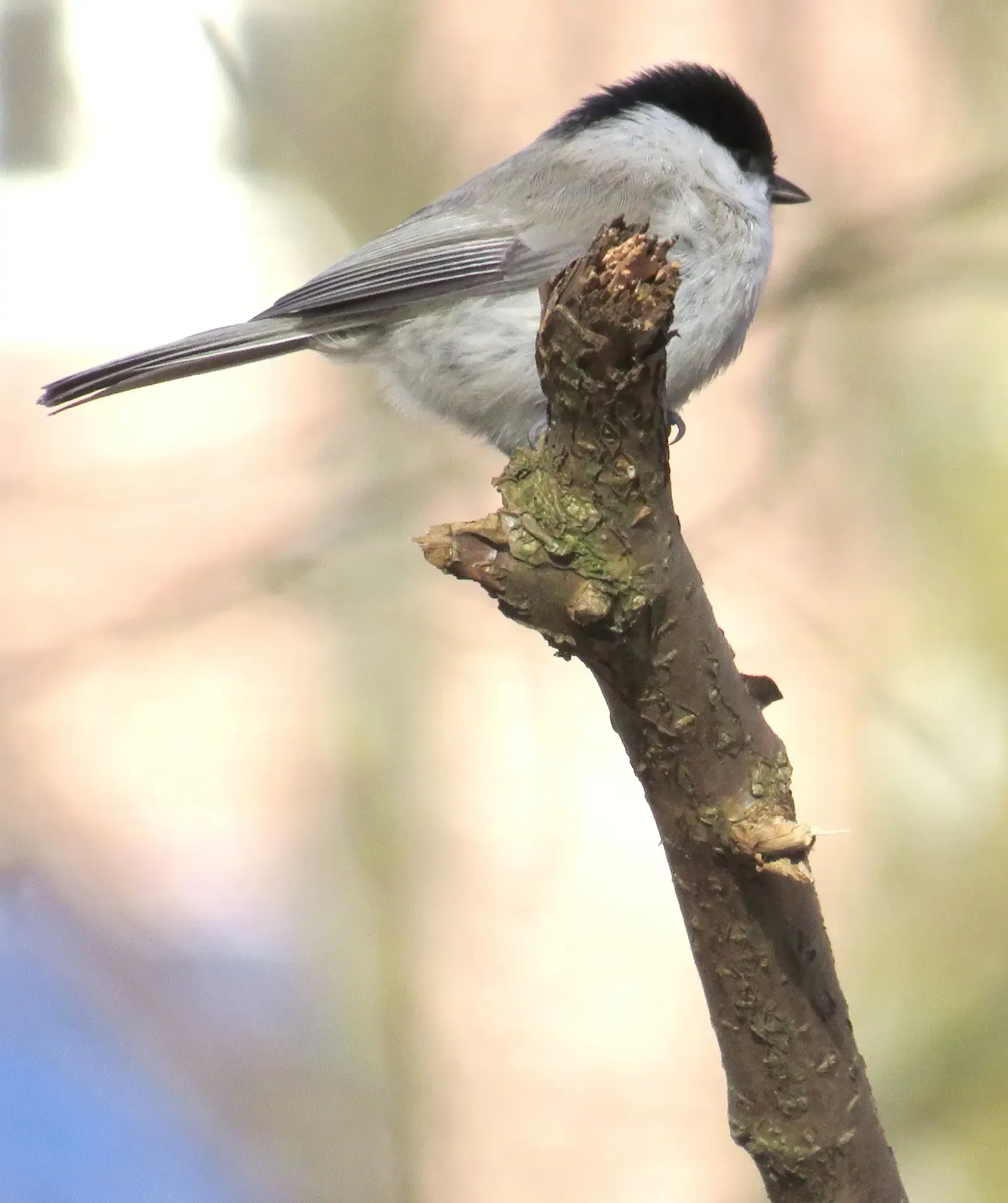
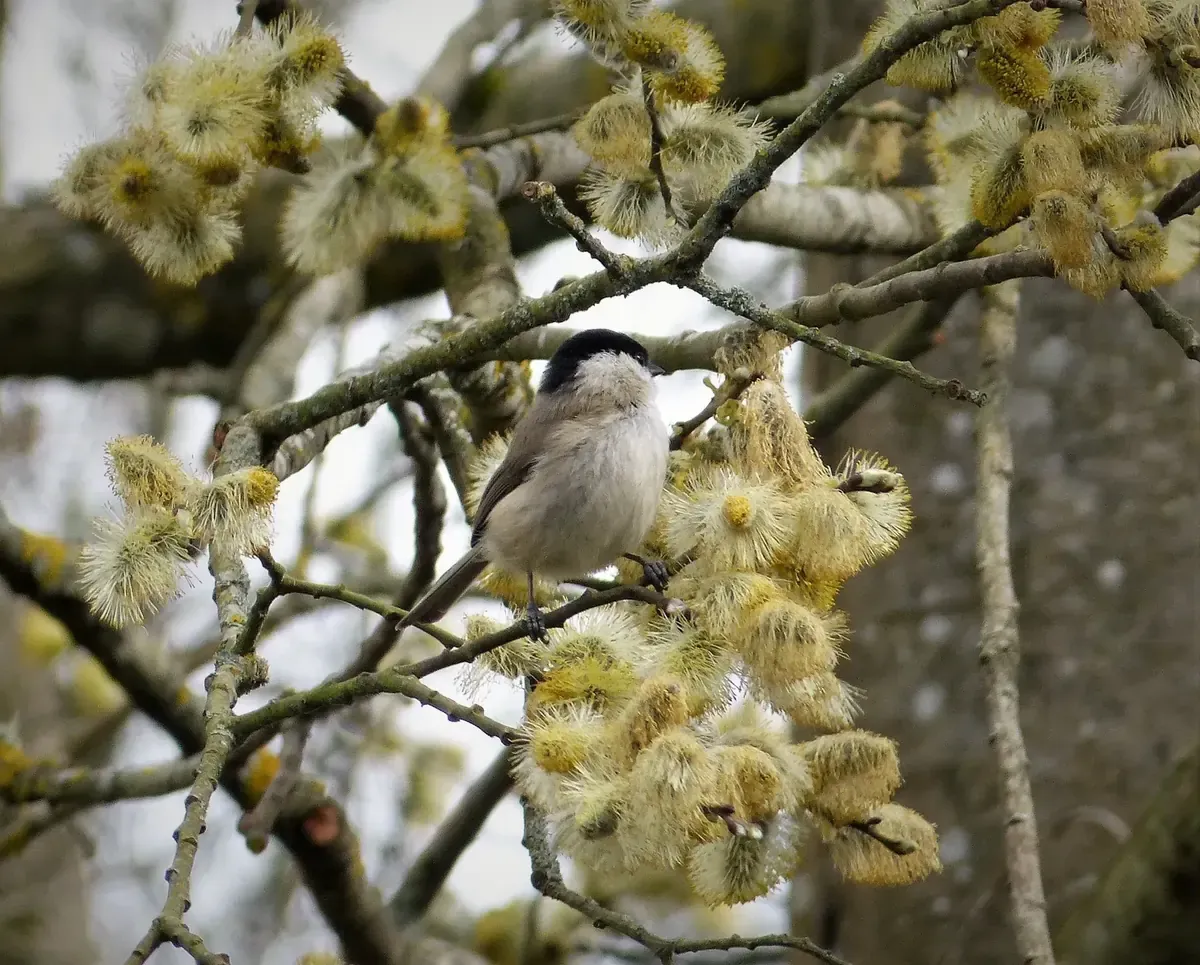
- Glossy black cap reaching down to the eye, white cheeks and often a small black bib
- Brownish grey upperparts and paler, greyish beige to white underparts
- No pale panel on the folded wing
- Sexes alike, young birds have a duller black cap and bib
Call and song
The Marsh Tit is best identified by its call, a short, explosive double note "pitjä" stressed on the second syllable. A common contact call is a sharp, high "tzie" or "szie". The song can be a ringing "schip-schip-schip" or a softer "tu-tu-tu-tu-tu". When agitated it adds a "dä-dä-dä" series.
Where and when
The Marsh Tit is resident in Sweden but has a limited range and is largely absent north of the Dalälven river and on Gotland. It is reported from 19 of 21 counties and is reported most in December and January. Outside the breeding season it is often seen in conifer forest or in hedges in more open country. It is red-listed as Near Threatened (NT).
When is it seen in Sweden?
Where is it reported?
- No reports
- Small share
- Medium share
- Large share
Reported most in December and January. Rarely reported in June. Reported from 19 of the 21 counties.
Food and behaviour
In summer it eats mostly insects, but in autumn and winter readily seeds. It hoards seeds in bark crevices and similar places, mostly from September to the end of February, peaking in September and October. It stays in its territory even in cold winters, and mixed winter tit flocks rarely hold more than one or two Marsh Tits. It nests in tree holes and readily in nest boxes.
Easily confused with
More in the Paridae family
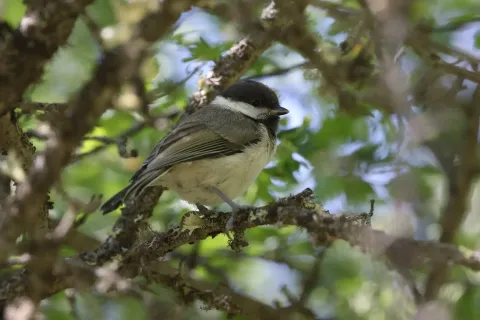
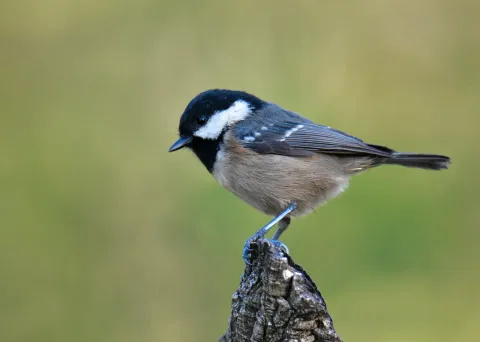
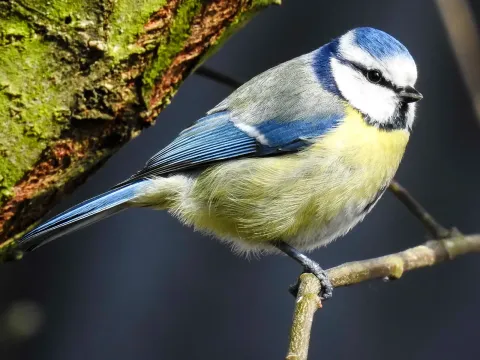
Photo: Blondinrikard Fröberg, CC BY 2.0, via Wikimedia Commons, resized

Photo: gailhampshire, CC BY 2.0, via Wikimedia Commons, resized

The text was written with AI from facts in Wikipedia and may be shared under CC BY-SA 4.0. Sources: Swedish article, English article, German article
Report data: Artportalen (SLU Swedish Species Information Centre) via GBIF.org, 2016 to 2025. Red list: The Swedish Red List 2025, SLU Swedish Species Information Centre via GBIF.org.
Checked against sources on . How we make these pages