Corvidae
Northern Nutcracker
Nucifraga caryocatactes
- Scientific name
- Nucifraga caryocatactes
- Family
- Corvidae
- In Sweden
- Resident all year
- Size
- 32 to 38 cm
- Swedish Red List 2025
- Near threatened (NT)
- Global Red List (IUCN)
- Least concern (LC)
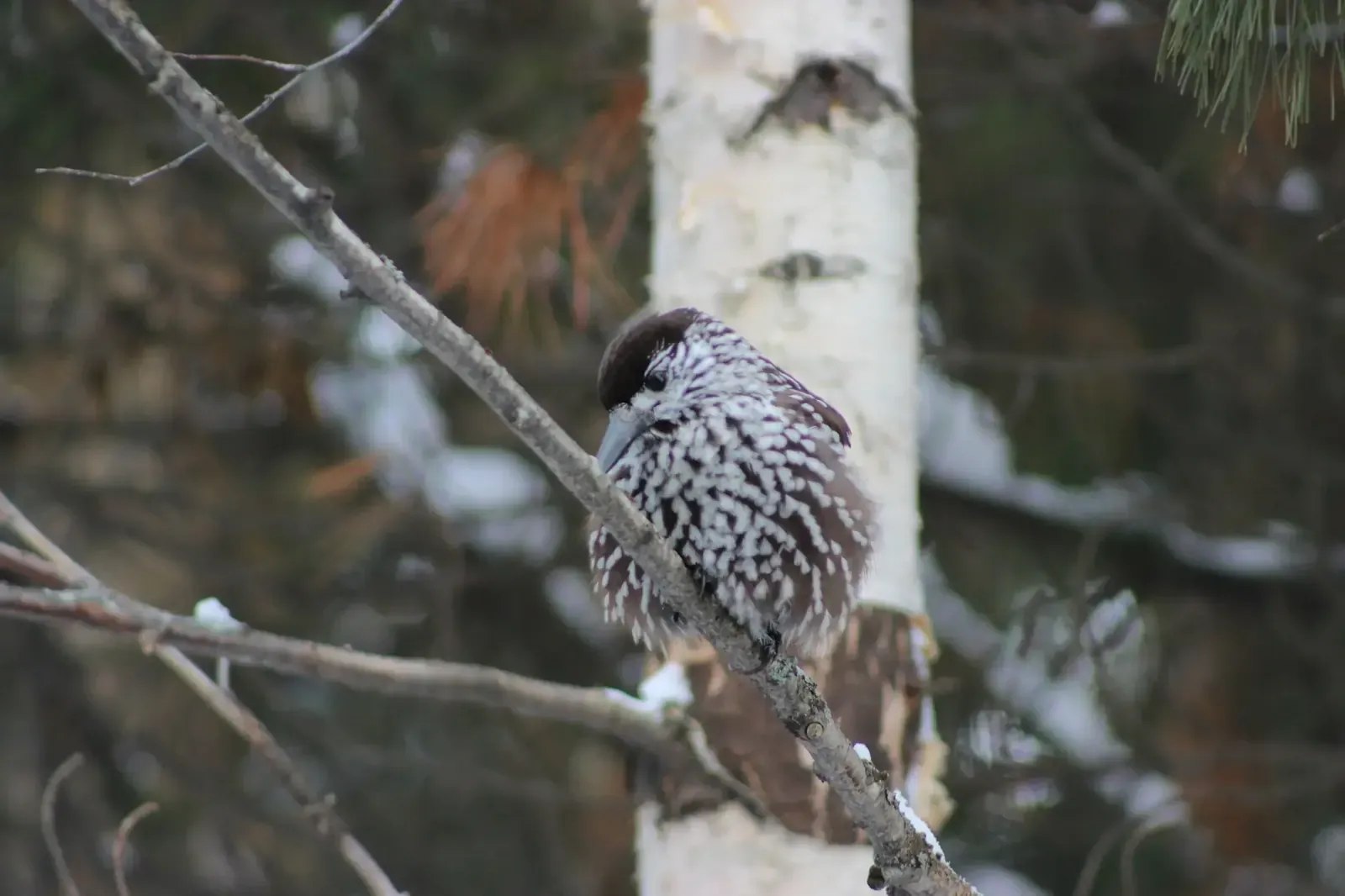
The Northern Nutcracker is a crow family bird with chocolate-brown, white-spotted plumage. It is mainly found in spruce forest near hazel thickets or pines with large seeds.
How to recognise it
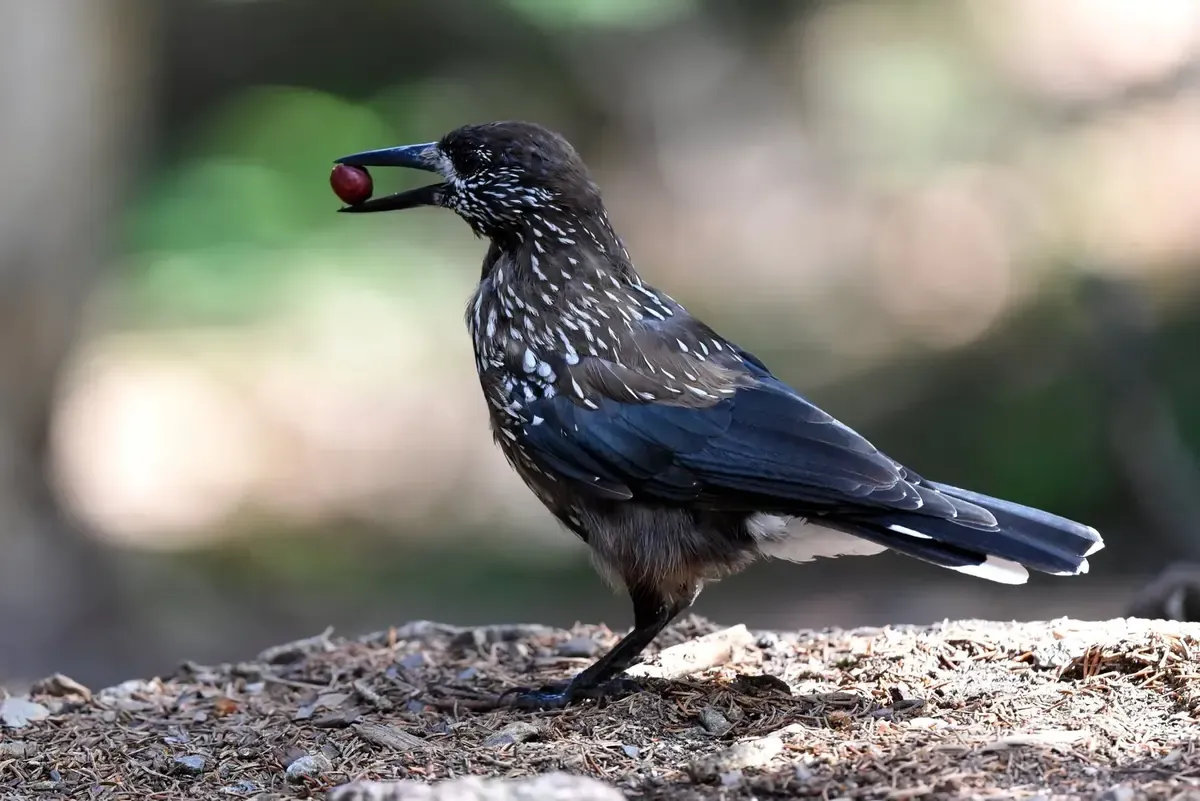
- Chocolate-brown plumage with many white spots, brownish-black wings and tail
- Long, straight, pointed bill and a fairly short tail with a white tip
- Large white patch in front of the eye, white eye-ring, blackish-brown crown onto the nape
- About the size of a Jackdaw, and male and female look alike
Call and song
The call is a powerful kräähh, kräähh, kräähh given from a treetop. It is loud and harsh, like the Eurasian Jay's but a little lower and more on a single note. The song is a quiet chatter of creaking, rasping sounds that recall the Magpie's. In summer it can make a kind of snoring sound with its throat.
Where and when
It is resident and now breeds in almost all of Sweden below the mountains. The thick-billed form occurs in southern and central Sweden north to Uppland and Värmland and is classed as near threatened, while the slender-billed form occurs from Norrbotten southwards. It is reported most in August and September and rarely in April. Its share of all bird reports is highest in Norrbotten, Västerbotten and Västernorrland.
When is it seen in Sweden?
Where is it reported?
- No reports
- Small share
- Medium share
- Large share
Reported most in August and September. Rarely reported in April and May. Its share of all bird reports is highest in Norrbotten, Västerbotten and Västernorrland.
Food and behaviour
The thick-billed form specialises in hazelnuts, while the slender-billed form mainly eats Swiss pine seeds. Surplus seeds are always stored for later use. It is seen most often when gathering food in early autumn, but is otherwise rather shy. The flight is rather floppy and resembles the Black Woodpecker's.
More in the Corvidae family
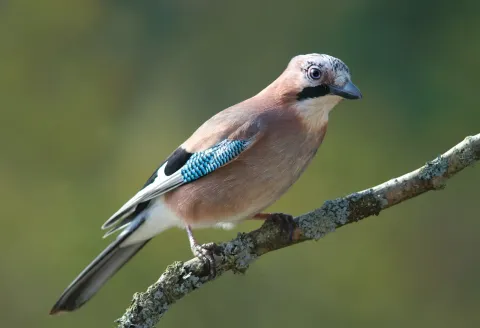
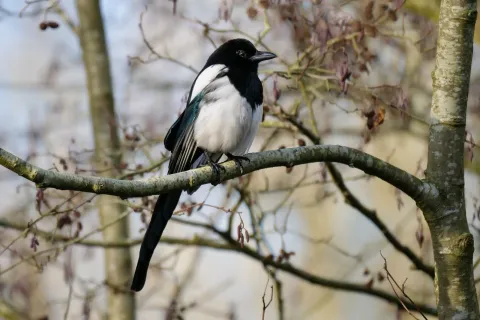
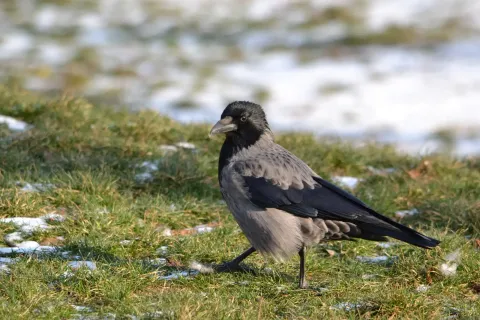
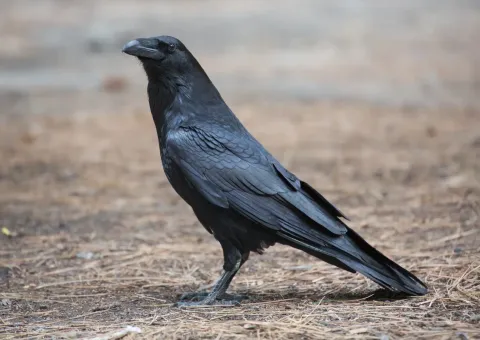
Photo: tls-60, CC BY 4.0, via Wikimedia Commons, resized

Photo: Pierre-Marie Epiney, CC BY-SA 2.0, via Wikimedia Commons, resized

The text was written with AI from facts in Wikipedia and may be shared under CC BY-SA 4.0. Sources: Swedish article, English article, German article
Report data: Artportalen (SLU Swedish Species Information Centre) via GBIF.org, 2016 to 2025. Red list: The Swedish Red List 2025, SLU Swedish Species Information Centre via GBIF.org.
Checked against sources on . How we make these pages