Strigidae
Boreal Owl
Aegolius funereus
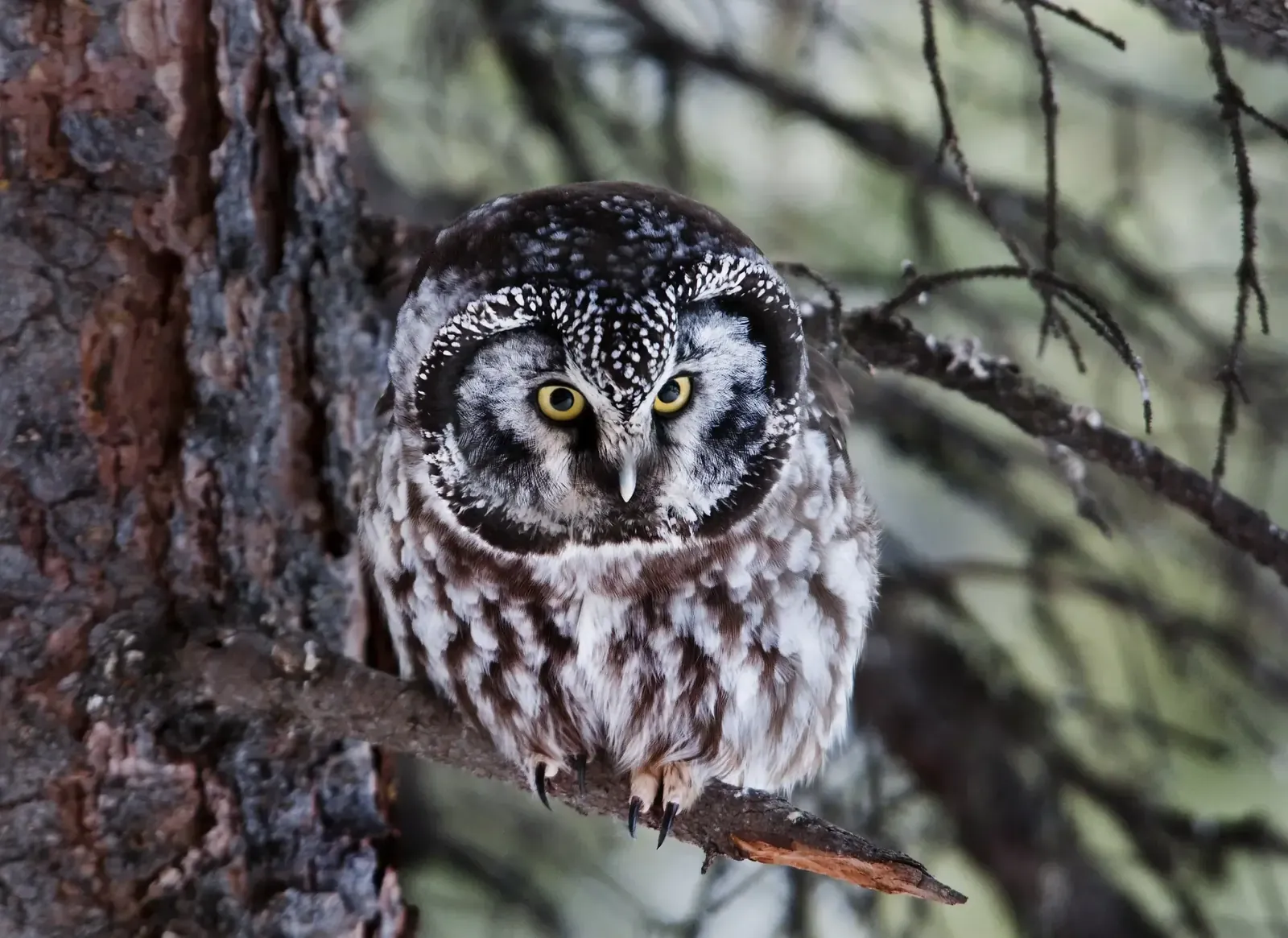
- Scientific name
- Aegolius funereus
- Family
- Strigidae
- Size
- 24 to 26 cm
- Swedish Red List 2025
- Endangered (EN)
- Global Red List (IUCN)
- Least concern (LC)
The Boreal Owl is an owl that breeds in dense coniferous or mixed forest across most of Sweden. It is active at night and sings almost only after dark.
How to recognise it
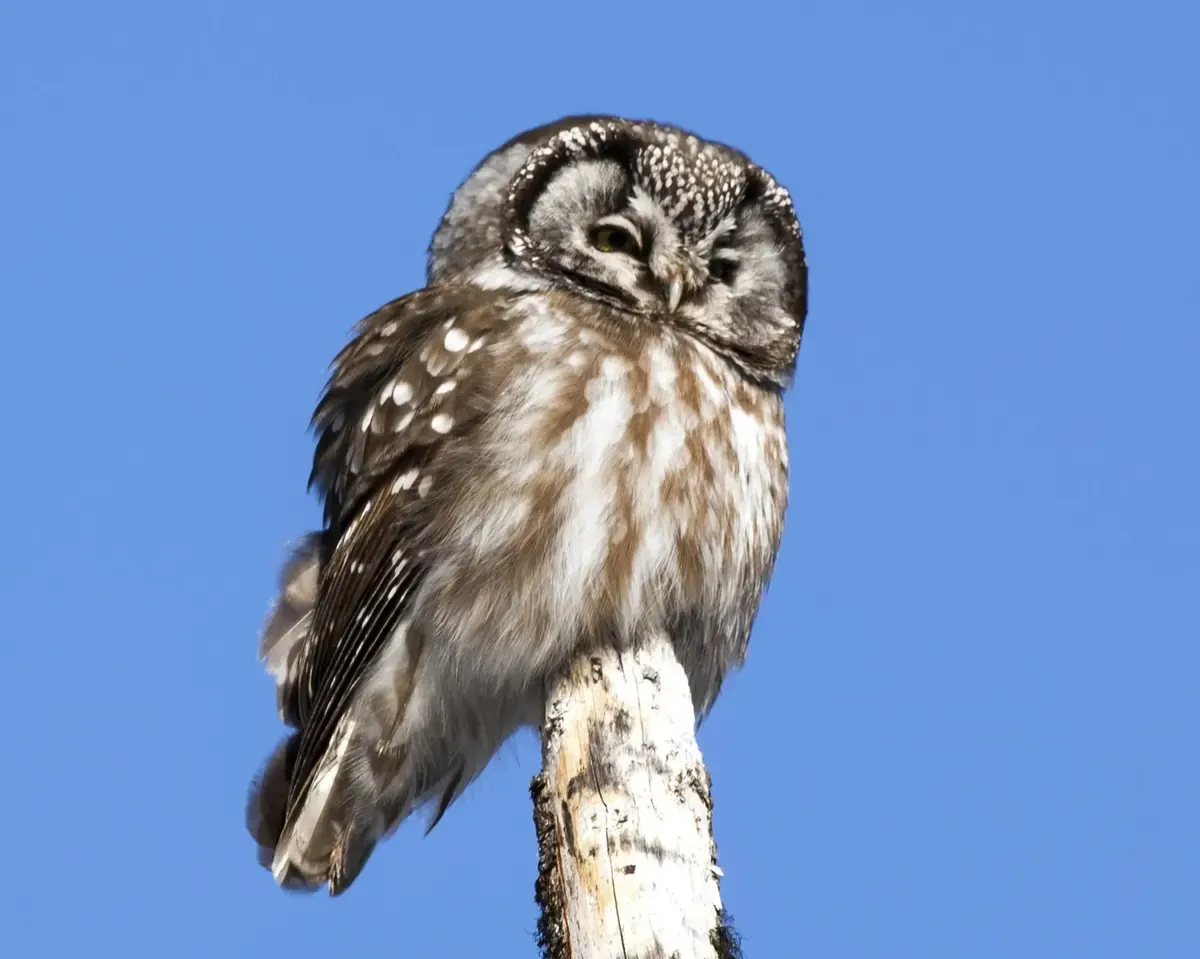
- Brown upperparts with white spots, known as pearls, on the shoulders
- Large head with yellow eyes and a white, round face with a dark rim
- Whitish underparts with brown streaks and a pale yellow bill
- Male and female look alike, young birds are dark brown with white facial patches
Call and song
The male's call is a series of three to ten strong hoots, "po-på-på-på-på-på", repeated and carrying a very long way. In Sweden the territorial call is usually heard from late February to May, almost only after dark. Other sounds include a squirrel-like smacking and a soft note that recalls the contact call of a Jackdaw.
Where and when
The Boreal Owl occurs across most of Sweden and is most numerous in taiga with many nest boxes, for example in Västerbotten. It is reported most in February and March, rarely from May to December. Its share of all bird reports is highest in Jämtland, Västernorrland and Västerbotten. It is Endangered (EN) in Sweden, and the population has fallen by about 60 percent in the last 15 years.
When is it seen in Sweden?
Where is it reported?
- No reports
- Small share
- Medium share
- Large share
Reported most in February and March. Rarely reported in May to December. Its share of all bird reports is highest in Jämtland, Västernorrland and Västerbotten.
Food and behaviour
The Boreal Owl rests by day, preferably in a dense spruce, and sits upright when resting. It hunts in dense forest, mainly from drooping spruce branches, and eats mostly voles, wood mice, wood lemmings and other small mammals, as well as small birds and larger insects. Its flight is silent, straight, fast and a little bat-like. It often shows little or no fear of people.
Easily confused with
More in the Strigidae family
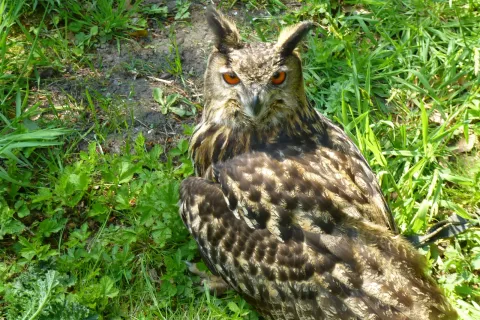
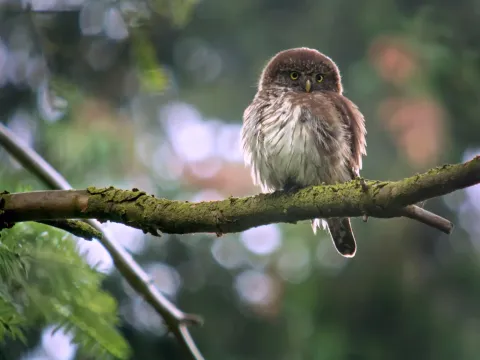
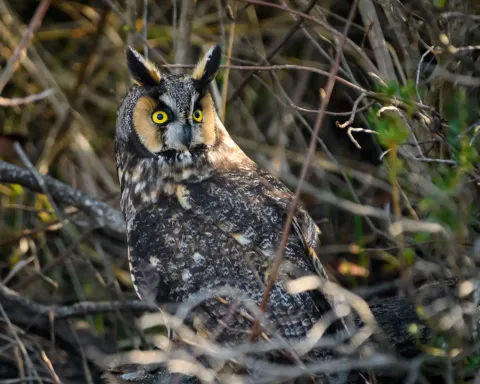
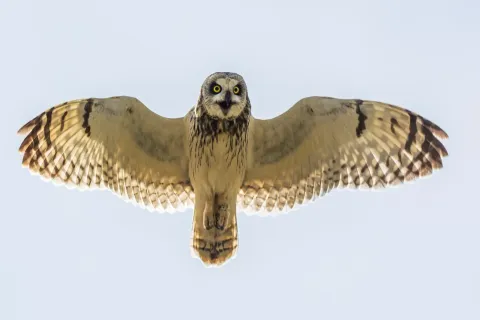
Photo: Denali National Park and Preserve, public domain, via Wikimedia Commons, resized

Photo: Denali National Park and Preserve, public domain, via Wikimedia Commons, resized

The text was written with AI from facts in Wikipedia and may be shared under CC BY-SA 4.0. Sources: Swedish article, English article, German article
Report data: Artportalen (SLU Swedish Species Information Centre) via GBIF.org, 2016 to 2025. Red list: The Swedish Red List 2025, SLU Swedish Species Information Centre via GBIF.org.
Checked against sources on . How we make these pages